
Biochar", "Bokashi" and "Jivamrit" - new generation farming methods are being implemented in Jizzakh
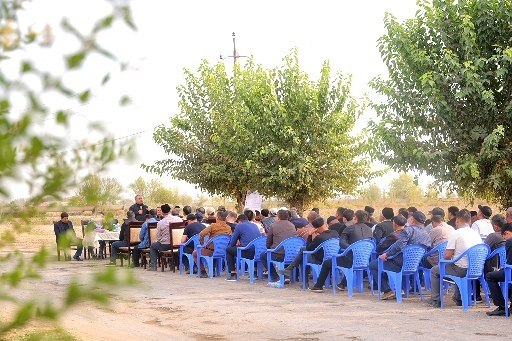
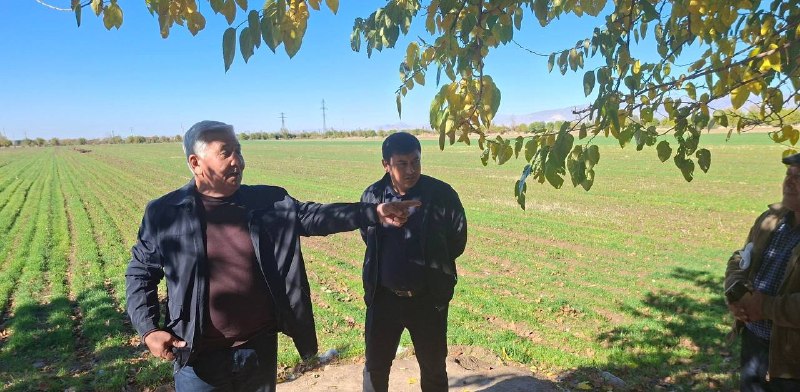
Today, Minister of Agriculture Ibrahim Abdurahmanov paid a practical visit to Jizzakh region. Within the framework of the visit, the minister visited the field of the farm "Jamshid Khurshid" in Pakhtakor district and directly participated in a theoretical and practical seminar on the topic of "Biochar", "Bokashi" and "Jivamrit" dedicated to environmentally friendly fertilizing technologies.
Heads of farms, representatives of clusters, agronomists, scientists and industry officials took part in the seminar.
In the theoretical part of the seminar, technical director of the International Cotton Advisory Committee (ICAC), Dr. Keshav Kranti, gave a lecture on the scientific basis of "Biochar", "Bokashi" and "Jivamrit" technologies, ways of effective application and their role in agroecosystem stability.
In his speech, he emphasized that these technologies allow restoring biological life in the soil, rational use of water, increasing productivity and creating sustainable agriculture.
In the practical part, the participants were shown step-by-step the processes of preparation, composting and field application of "Biochar", "Bokashi" and "Jivamrit".
— Biochar is a substance obtained from natural waste such as wood residues, straw, and straw, which improves soil moisture retention and airiness.
— Bokashi is a fertilizer obtained by fermentation of organic waste with the help of beneficial microorganisms, quickly absorbed by the plant.
— Jivamrit is a biological fertilizer that activates soil microflora, made from cow dung, urine, rice flour, sugar cane juice and soil bacteria.
Experts say that as a result of the joint application of these technologies, it is possible to increase soil fertility by 2-3 times, reduce the need for mineral fertilizers and grow environmentally friendly crops.
The minister, in turn, emphasized the need for widespread implementation of ecological technologies in practice, which is important for maintaining economic efficiency, soil health, and ecological balance.
After all, preserving soil fertility and increasing productivity is one of the most important principles of sustainable agriculture today.
Website Telegram Facebook YouTube Instagram