

How dangerous are the frosts after the trees bloom?
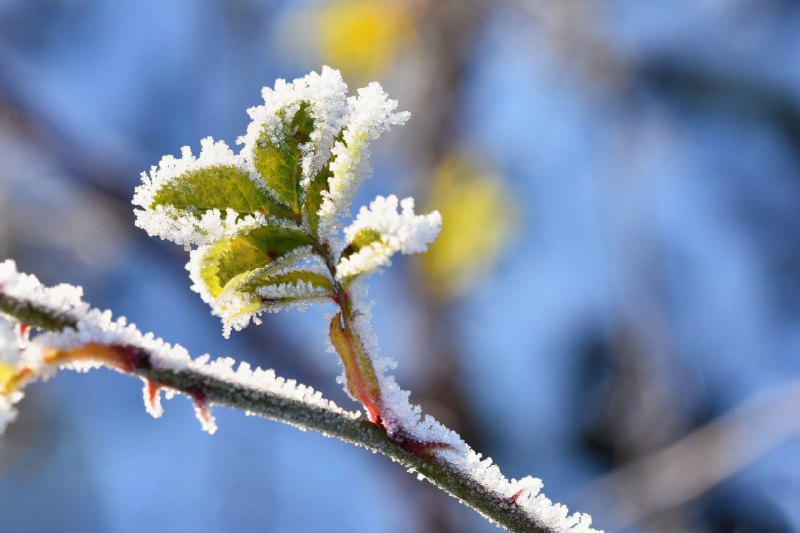
One of the most dangerous agrometeorological factors is the frosts that fall after the flowering of trees in the spring. Because at this time flowers, buds and young fruits are very delicate.
Even if the frost level is low, it can cause 50-90% yield loss during the flowering period.
Which tree is damaged at which temperature?
Apricot (most sensitive)
In bud stage: –1…–2°C
When the flower opens: –0.5…–1°C
In young fruit: –1°C
Apricots are the first to bloom and the fastest to be hit by frost.
Peach and nectarine
In flower: –1…–2°C
In young fruit: –1.5°C
Cherries and cherries
In flower: –2°C
In young fruit: –2…–3°C
Apple
In bud: –2…–3°C
In flower: –2°C
In young fruit: –2…–4°C
Pear
In flower: –2°C
In young fruit: –3°C
Why is the flowering period dangerous?
The cells in the flower are rich in water. In the cold, ice crystals form inside the cell. As a result, the flower turns black and falls. Pollination stops. The fruit does not ripen.
How to protect?
Incense (give smoke);
Creating a micro layer of ice through drip irrigation;
Ventilator fans;
Agrofiber or cover;
Wind barriers around the garden.
In conclusion, even -1...-3°C after flowering can be dangerous. Apricots and peaches are especially damaged the fastest.
Spring frosts are a test of nature. And if the gardener enters with preparation, he will reduce the losses.
Agro Life
Website Telegram Facebook YouTube Instagram