
Innovations in world agricultural science
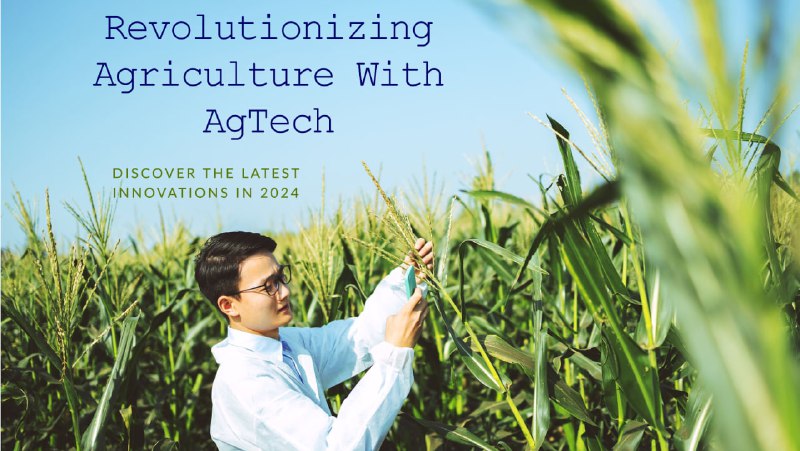
Population growth and climate change in the world place great responsibility on scientists in the field of food production. In turn, scientists are taking a new approach to solving the problem, "Linkedin" internet publication wrote. Below you can familiarize yourself with some of the facts published in this article.
Precision agriculture
Precision agriculture uses GPS, IoT sensors and data analytics to monitor field conditions in real-time. This allows farmers to make informed decisions about resource management and optimization. It relies on drone imaging to assess plant growth, AI-powered yield prediction models and variable speed technology to feed accurate data into the system.
Vertical farming
Vertical farming involves growing produce in a controlled environment using innovations in LYED lights, hydroponics and aeroponics. Significant progress has been made in the integration with "smart" building systems for energy efficiency, creation of specialized crop varieties for vertical farming.
Robotics and automation
Agricultural robots perform labor-intensive tasks, increasing efficiency and accuracy. They are machines that can harvest rare fruits without damaging them and have the ability to recognize information.
Biotechnology and Genomics
Advances in gene editing techniques such as CRISPR are driving the development of improved crop varieties. Gene editing for improved nutrient profiles in crops, development of biopesticides using genomics approaches, precision breeding for orphan crops are important for food security
Blockchain and supply chain transparency
Blockchain technology provides transparency and traceability throughout the agricultural supply chain.
"Smart" watering
IoT sensors, data analytics, and automation optimize water use in irrigation systems. In addition, it analyzes information about the state of the plant.
Subscribe to the official pages of the National Center!
WEB|Telegram| Instagram | Facebook |▶ Youtube