

Helpful_recommendation
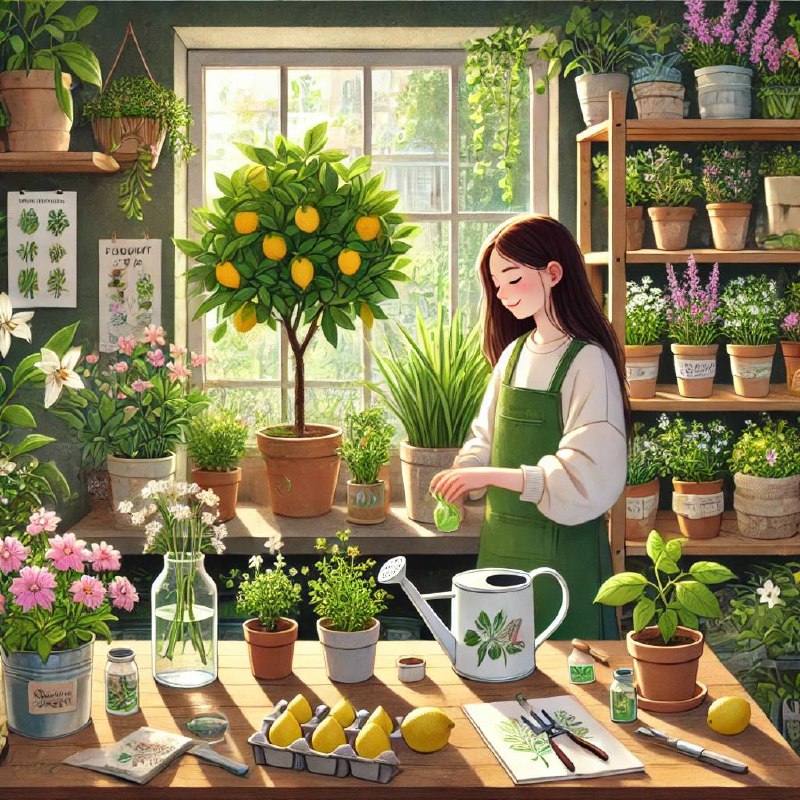
Growing plants indoors in winter
In winter, the amount of light decreases, so plants should be placed on a windowsill or in a place where light falls well.
Phytolamps can be used where there is insufficient light. These special lamps stimulate plant growth.
The following plants can be successfully grown at home:
Greens: Parsley, dill, chives, lettuce, spinach
Vegetables: Tomatoes (small varieties), peppers, cucumbers (small varieties)
Seedlings: Lemon, tangerine or other citrus fruits
Herbs: Herbs such as basil, mint, oregano
It is necessary to choose a suitable, nutrient-rich soil mixture for the type of plant. There should be holes in the bottom of the pot for drainage. Plastic or ceramic dishes can be used.
In winter, the soil does not dry quickly, so the amount of watering is reduced. If the soil is dry, then it is watered. Excessive watering can cause root rot.
The optimal temperature for plants should be in the range of 18-24 °C. Indoor air can be dry in winter, so don't forget to keep plants moist with a water sprayer.
Ventilation of plants is important, but cold drafts can damage them, so plants should not be placed near a cold window or door.
Plants grow slowly in winter, so they should be fertilized once a week or every two weeks. It is possible to use organic or mineral fertilizers.
Plants may be attacked by spider mites or other pests when humidity is low in winter. It is necessary to use special biological means against pests.
If you take care of it properly, you will be able to grow natural and useful products in your home even in the winter season.
Subscribe to the official pages of the National Center!
WEBTelegram| Instagram | Facebook |▶ Youtube