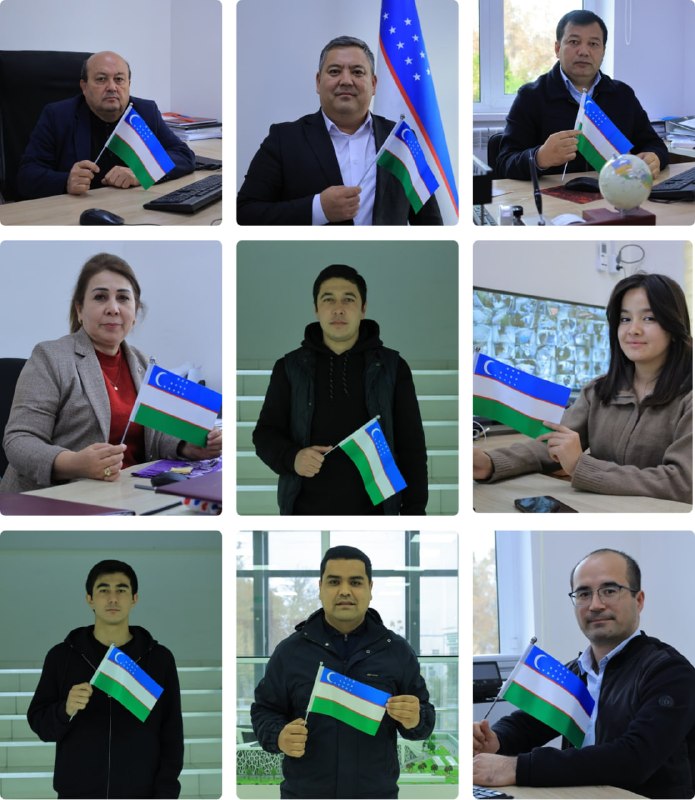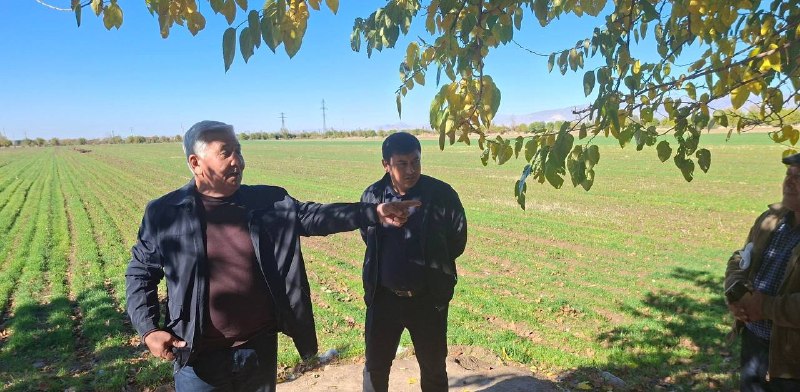

THE REGULAR MEETING OF THE COTTON COUNCIL WAS HELD IN THE PRESENCE OF THE PRESIDENT OF THE REPUBLIC OF UZBEKISTAN
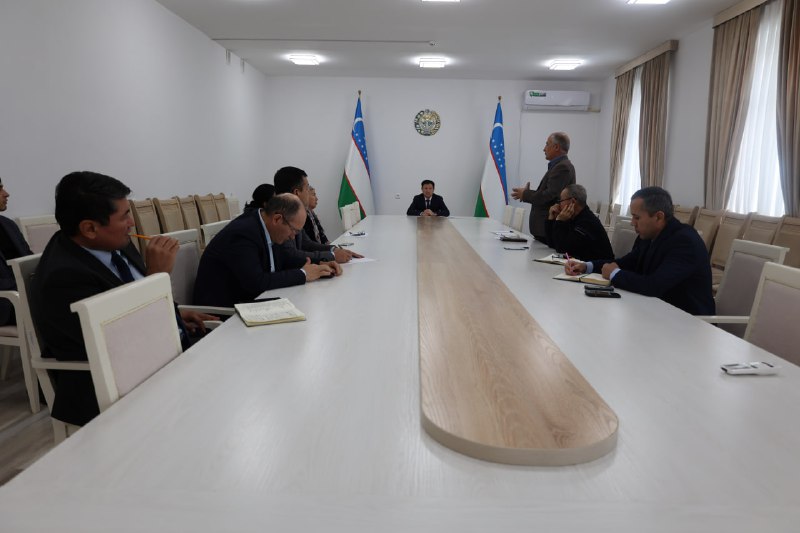
A meeting of the members of the Republican Cotton Council was held on the results of 2024 and the plans of work to be carried out in 2025.
It discussed the cultivation of genetically modified (Bt)* cotton varieties, disease and pest resistance management, and introduction of highly efficient indigenous intensive agrotechnology.
The new cotton growing experience for the 2025 harvest includes the following directions.
In this case, the total areas of cotton cultivation are:
20 percent - bollworm and herbicide-resistant (Bt) cotton varieties will be placed and intensive agrotechnology, i.e. 240,000 seedlings in a 76x10 double-plot scheme, will be cared for using drip irrigation method under film;
in addition, local cotton varieties are placed and cared for on 20 percent of the area in each region based on high-efficiency intensive agrotechnology in a 76x10 plot with the number of 240,000 seedlings using drip irrigation method under film;
for the remaining 60%, local cotton varieties are planted in accordance with the seed/variety seed replacement program, taking into account the soil-climate conditions of the regions, salinity, water supply, the ratio of seepage water, disease "hotspots" on the basis of a scientifically based seed placement plan, in which the 90 cm scheme is completely abandoned;
So far we have not come out with the superiority or promotion of any one variety. Foreign agrotechnology, which came to us together with foreign varieties, is important. Our farmers should understand this well. The world transition to BT technology began in 1996. Since this technology is patented, it has not been possible to introduce it in our country until now. This technology came to us with foreign selection. The mechanisms for carrying out the cotton policy for 2025 should be put in place. According to Shuhrat Otajonov, explanatory and promotional events will be organized in this regard through seminars and trainings with the participation of scientists.
At the end of the meeting, it was decided to develop an action plan for the control of foreign and local cotton varieties. The issue of revising the composition of the members of the regional working groups of the Council was also discussed.
P/S: *Bt-cotton variety is a cotton variety in which Cry genes synthesizing proteins harmful to insects and pests and genes resistant to gliofasate herbicide have been inserted into the genetic apparatus of the plant during the process of genetic modification.
Bollworm resistance is achieved by transferring the genetic material of the soil bacterium Bacillus thuringiensis (Bt) to the plant. The genetic material encodes proteins with specific properties, i.e., toxic to insects and pests, but harmless to mammals and non-target organisms.
Subscribe to the official pages of the National Center!
WEB|Telegram| Instagram | Facebook |▶ Youtube