Not everyone is familiar with the research method mentioned in the title. First of all, let's clarify what this method is. MAGIC (Multi-parent Advanced Generation Inter-Cross) is a modern breeding method in which several (usually 4-8, sometimes up to 16) varieties with different genetic backgrounds are crossed. In this way, new generations with high genetic diversity are created. The method accelerates the selection process, increases the possibility of selecting varieties resistant to diseases, productive and resistant to climate changes.
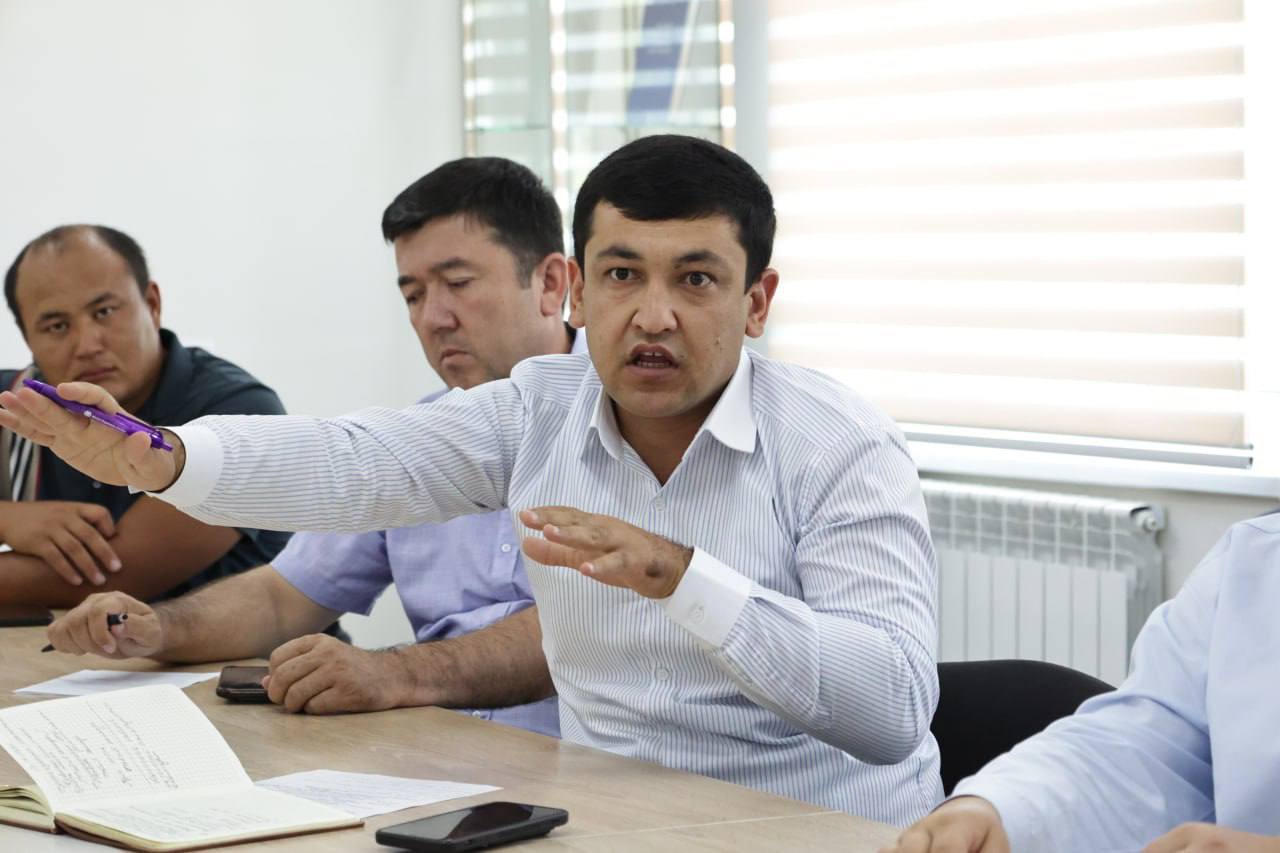
Bunyod Gaffarov, a doctoral student of the Research Institute of Plant Genetic Resources, is conducting research in the same way. He presented his preliminary results to experts today at the "Doctoral Day" event held at the National Center for Knowledge and Innovation in Agriculture.
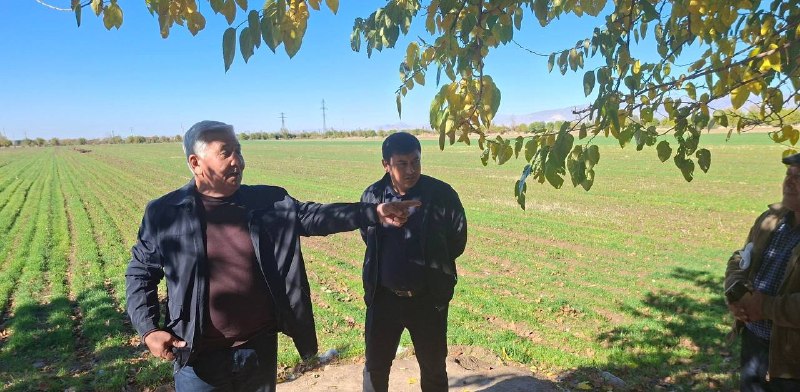
As part of the research, 8 cotton varieties with different genetic bases were selected and complex breeding (inter-crossing) was carried out between them. As a result, F1 hybrid offspring were obtained. Currently, these hybrid samples are planted in field conditions, and their agrobiological and molecular properties are being studied in depth.
In the conditions of Uzbekistan, the application of MAGIC technology to cotton selection is being implemented for the first time, and research in this direction will open wide opportunities for the creation of new cotton varieties with high yield, resistance to diseases and adaptation to climate changes in the future.
During the event, other young researchers also participated with their work. In particular, Gulnora Nazirova, PhD student of the Scientific Research Institute of Grain and Legume Crops, gave an online presentation on the topic "Effects of planting dates, seedling thickness, growth and development of corn varieties and hybrids on grain yield." He gave information about the results of his research.
The group of experts highly appreciated Bunyod Ghafarov's research. Gulnara Nazirova's work has not yet been fully formed, so it was noted that it needs to be further improved.
"Doctoral Students' Day" serves as an important platform for young researchers to present their work, exchange ideas with the scientific community, and receive advice from experienced experts.