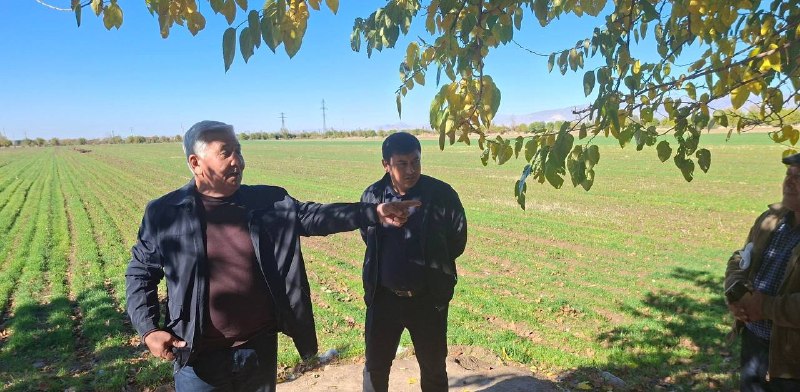

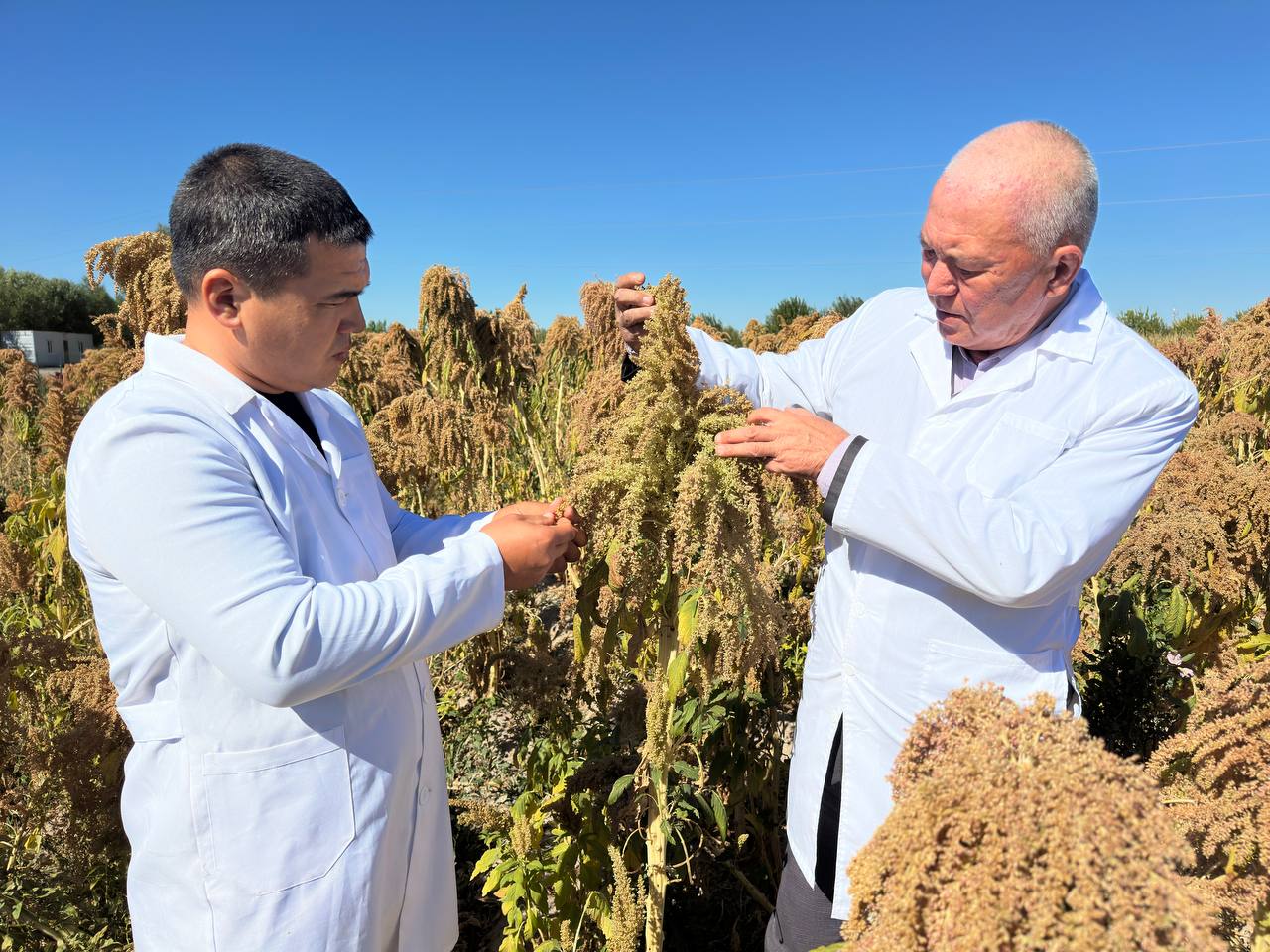

Amaranth is a valuable grain and nutritional plant cultivated by man since ancient times. Its grain is rich in protein and amino acids, and its leaves are used as a vegetable. Also, amaranth is particularly important for its resistance to drought and different soil conditions.
Currently, the scientists of Karakalpakstan Agricultural Scientific Research Institute in cooperation with the International Organization for Climate and Biological Resources Conservation (IKBA) are conducting experiments on adaptation of amaranth to the climatic conditions of the region.
According to preliminary results, the plant showed resistance to drought and salinity conditions. This makes it possible to introduce amaranth as an alternative crop in regions with water scarcity and high soil salinity.
The study will continue until 2026, and experts note that its results can be important in ensuring food security in the country.